A rat infestation in South Hall’s basement destroyed years’ worth of supplies for 10 student organizations, prompting cleanup efforts from Facilities Services and reimbursement plans from Trinity and the Student Government Association (SGA). On Sept. 22, Facilities Services responded to a report of a rodent presence in South Hall. According to Carlton Hendrix, interim executive director of Campus Services, staff discovered a severe infestation in South’s basement storage, where a variety of campus organizations kept their items.
The storage of food, snacks and candy drew the rats in and caused the infestation, Hendrix wrote in an email. The contents were contaminated by rat droppings and urine. According to Hendrix, Ernesto Gonzalez, director of Facilities Operations, met with ServPro, a professional remediation service, the morning of Sept. 23. ServPro sanitized the room and determined its contents were not salvageable. Facilities notified the affected student organizations about two weeks later.
According to Maddie Stovall, junior political science major and SGA vice president, 10 organizations were affected by this incident, and SGA plans to do everything within its power to compensate these organizations for their losses. Stovall said that she and senior SGA president Omar Ratrut are in the process of talking to Andrew Wells, vice president for Student Affairs, about possibly getting the university to contribute to reimbursing the organizations as well. However, she said that if this does not happen, SGA still plans to help fund the organizations. SGA is currently working on an itemized list of the lost items. Stovall, who lives in South, said that maintenance fully removed the rats from the building.
Stovall said that, in the future, SGA hopes to have clearer guidelines for what organizations should and should not put in storage and implement routine checks on storage facilities. While SGA is not in charge of where organizations store materials, Stovall said that they would be willing to aid student organizations with storage in the future.
“I know that that’s something we can definitely do: making sure organizations have access to good storage and that it’s being stored in a way that’s not going to cause any type of rat draw-in or something like that,” Stovall said. Also, just making sure that when things like this do happen, making sure organizations know SGA is here for them.”
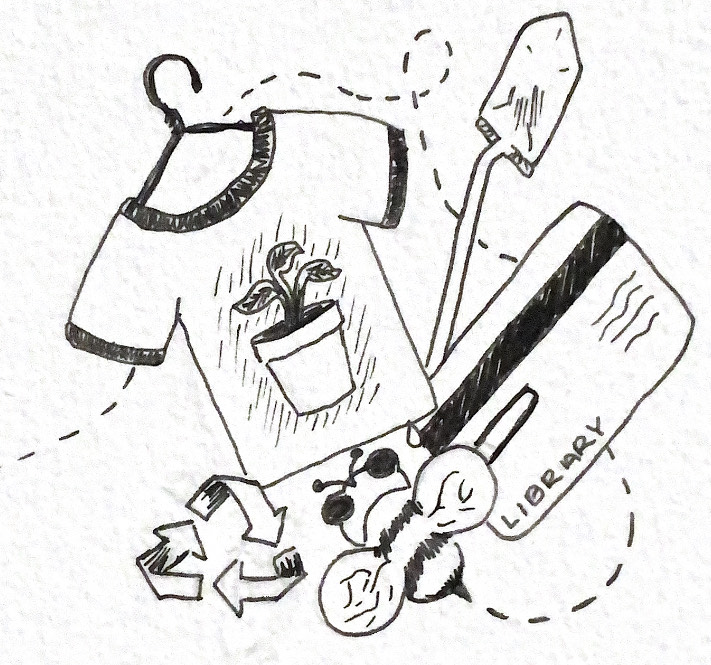
Kavni Maniar, junior biology major, is the president of the South Asian Student Association (SASA), one of the organizations affected by the rat infestation. She said that SASA has lost all of their materials from the past 10 years. According to Maniar, these materials primarily included decorations, specifically for Diwali, SASA’s biggest event of the year. Additionally, SASA also lost t-shirts, props, letters they used at the Student Involvement Fair and sparklers. According to Maniar, the other organizations experienced similar losses.
“To my knowledge, everyone’s items that were down there, all of them had to be thrown away,” Maniar said.
Maniar said that SASA sent SGA a request to replace Diwali decorations, which SGA fully funded in response. Despite this, Maniar received the email about the loss of materials on Oct. 8, over two weeks after Facilities was contacted about the rat infestation, and said that due to this late notification, SASA was not able to request everything they needed for Diwali from SGA. She said that SASA plans to continue sending funding requests to SGA.
“Going forward, some of our events are going to be looking a little bit sparser in terms of decorations while we do the best we can,” Maniar said.
According to Maniar, the Student Engagement and Development office has offered to meet with the presidents of each affected organization and work with SGA to help fund the lost materials.
While the immediate cleanup has been completed and, according to Stovall, the rodents have been removed, the effects of the infestation continue to impact student organizations such as SASA. Moving forward, SGA plans to implement preventative measures and improve storage protocols, aiming to prevent similar incidents and safeguard student organization resources in the future.