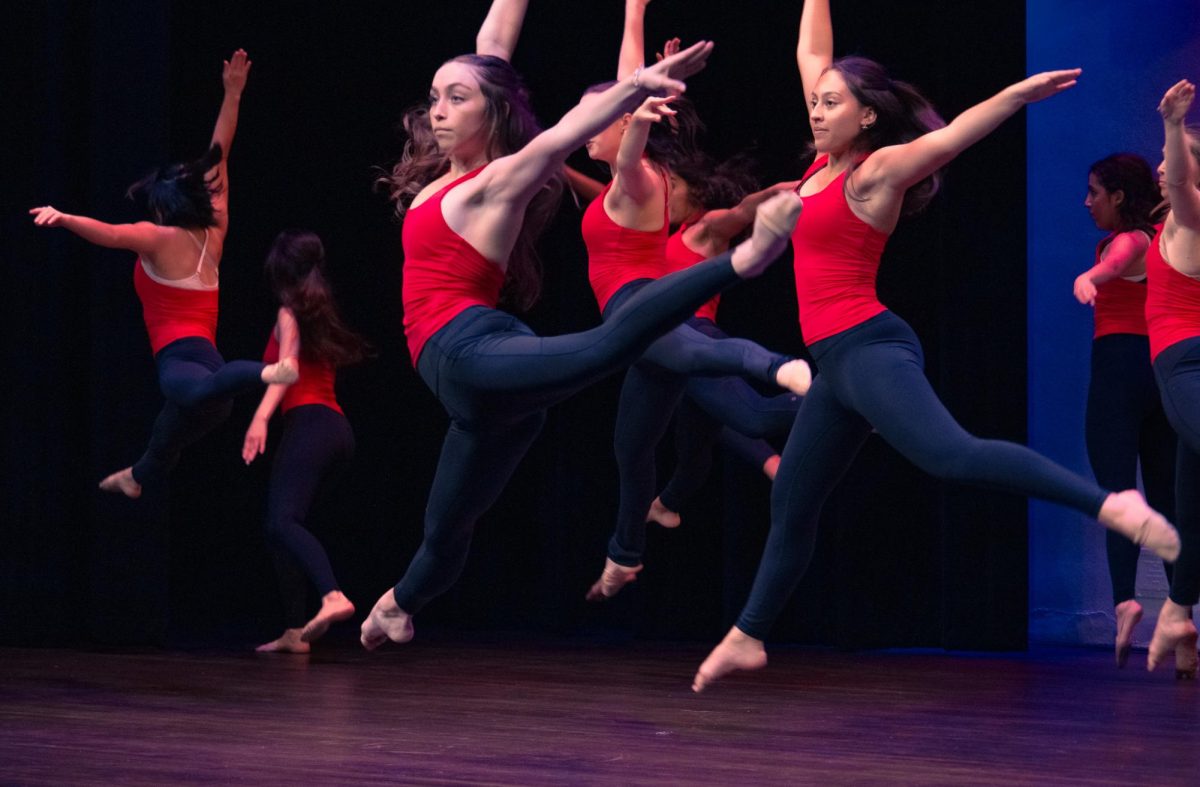
Creative groups like the Trinity University Players (TUPS), Trinity’s student-run theater company, perform for campus crowds. New venues like La Zoná Cultural represent an opportunity for students to take their art off campus and into the heart of San Antonio. By connecting campus creatives with city-wide cultural movements, La Zoná highlights the possibilities that open up when students pop the “Trinity bubble.”
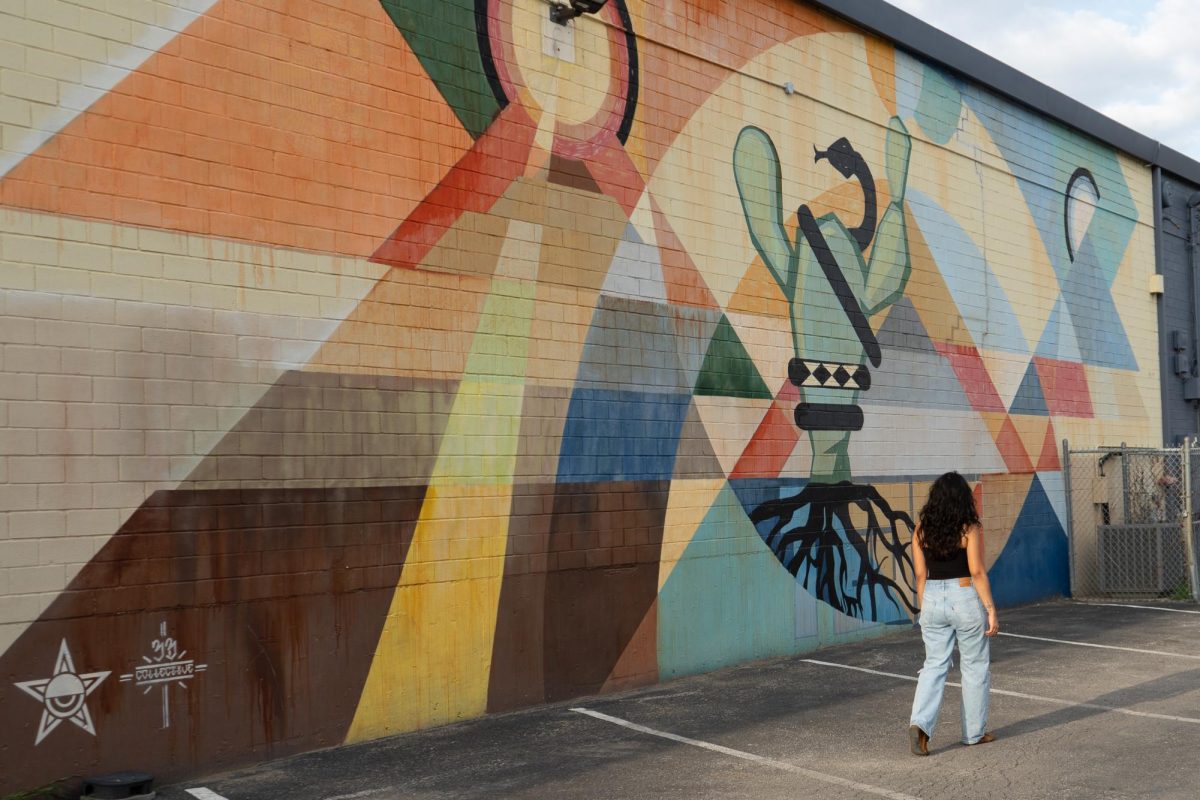
Andi Roriguez, vice president of Cultural Placemaking at Centro San Antonio, the nonprofit that manages the city’s public improvement district, said that she is dedicated to democratizing art appreciation in San Antonio. To do this, Rodriguez started the Art Everywhere project in 2020, connecting local muralists with businesses to transform blank walls across downtown. Following the success of this project, Rodriguez opened the La Zoná venue in 2022.
“The whole idea was, initially, to create something to beautify the city. But when the pandemic happened, it was almost a matter of necessity. People were distancing. You couldn’t go outside and gather,” Rodriguez said. “When you think about what art does, it tells stories, it breaks down barriers, it articulates our passions.”
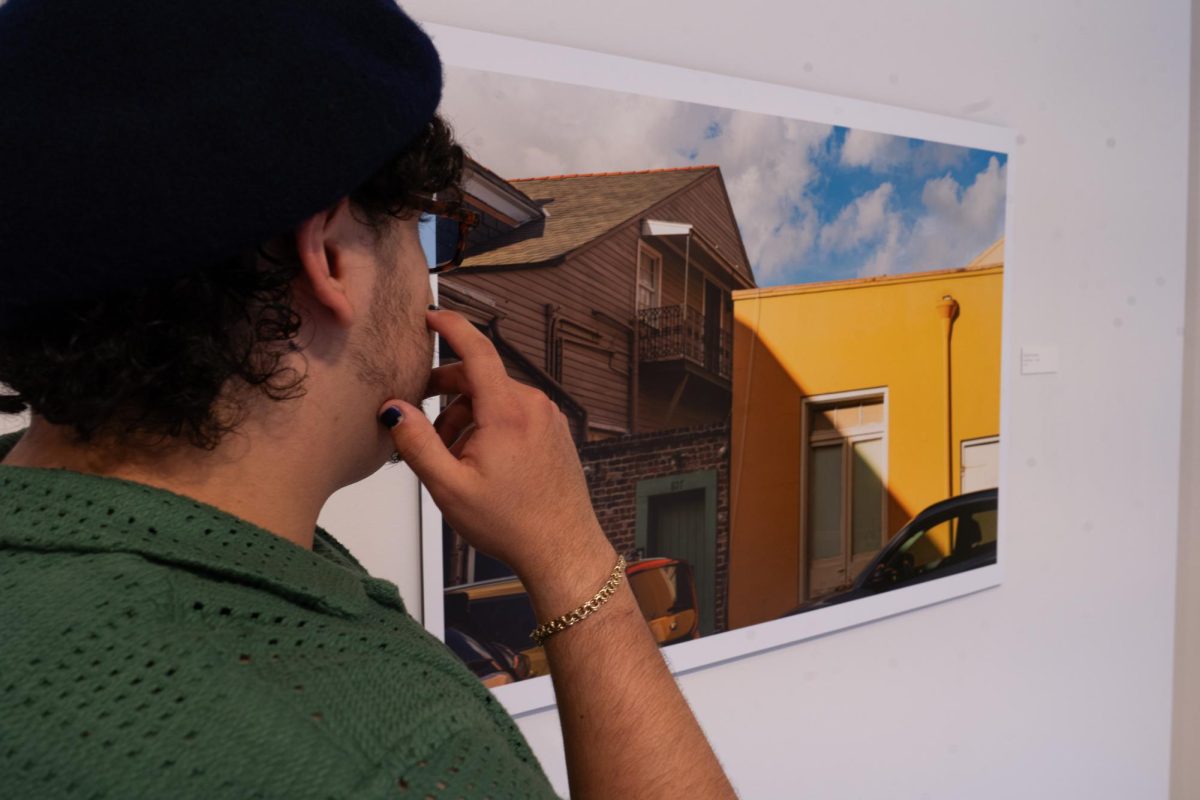
Since La Zoná opened its doors to downtown, the venue has hosted a climate opera, fashion show and art exhibits, all for free. Rodriguez said that the space is constantly adapting to accommodate new local artistic projects.
“La Zoná was different because it’s a creative space that we gift for free to local artists and creatives,” Rodriguez said.
Barbara Columbus, local cultural anthropologist, is the curator behind La Zoná’s latest exhibit, “La Isla Baja El Mar: Afro-Mexican Identity Through Social Activism.” Columbus said that she met Rodriguez through a colleague while looking for a venue to host her exhibit, an effort that gained urgency after Hurricane Erick displaced many of the participating artists this June.
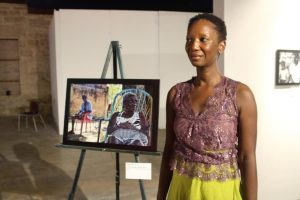
“We needed to get some visibility on the project as soon as possible,” Columbus said. “I was introduced to Andy through Maria Williams … I submitted my proposal to Andy and she liked it. It was such a quick turnaround.”
Columbus said that she was inspired to curate the exhibit while visiting the community of Oaxaca in Southern Mexico. There, she experienced a vibrant scene of Afro-Mexican artists and activists who had created a visual identity that inspired Columbus’s project.
“What immediately attracted me was the vibrancy, the colors, the art,” Columbus said. “When [Oaxacans] promote their art, there’s a consistency in certain patterns, in certain colors. I noticed this unified organization in the way it’s conveyed, and I was like, ‘OK, this is their identity.’”
Although 2.5 million people identify as Afro-Mexican, Columbus said she noticed their work was largely absent from the public record. While staying in the Oaxaca region, she connected with local artists to speak on Afro-Mexican identity.
“You could go as far back as the ‘90s or even the ‘80s. It’s really hard to find any public artwork from that region. I’ve asked why I can’t find any artwork. I can’t find any art history that represents that region,” Columbus said. “What I gathered was a part of their social campaign in 2019, when the Mexican government gave official constitutional recognition to all those who identify as Afro-Mexican in the State of Mexico.”
Back on campus, Lyndee Pinkerton, senior political science and philosophy double-major, serves as the president of TUPS. They said that one of their key responsibilities is to bring students together for upcoming projects.
“My goal is to facilitate the arts, to facilitate the people who want to be involved. As difficult as it is to put on a production, there are small roles that you can take,” Pinkerton said. “My role is to show people those small roles so that they can be involved.”
Pinkerton, who’s been involved with TUPS since their first year, said the company has taught them the value of collective work. The group is currently working on a cabaret-themed show, set to debut on the Trinity MainStage this November.
“‘Cabaret,’ the mainstage that’s being put on, is about the onset of Nazi Germany, and how fascism happens. What you would think is important about literature is similarly important about theater: That art imitates life,” Pinkerton said. “Being a part of that production teaches you something about working with people, but also about just the nature of how things work. Because you’re working on art.”
While Pinkerton says that they feel fulfilled by the TUPS community, they would like to see more involvement outside of the “Trinity bubble.”
“The bubble is real. There is dissonance between being involved at Trinity and being involved in community work in San Antonio,” Pinkerton said. “I feel like I’m definitely somebody who is in the bubble. All of my work is with this community.”
TUPS has not performed off campus since at least 2022. However, Pinkerton said that First Time Offenders, Trinity’s improv club, used to have a program to connect with local competitions and performances. They said that La Zoná would be a great way for TUPS to do the same.
“I think that there would be a lot to be gained from [working with La Zoná], because so much of theater is experiencing theater,” Pinkerton said.