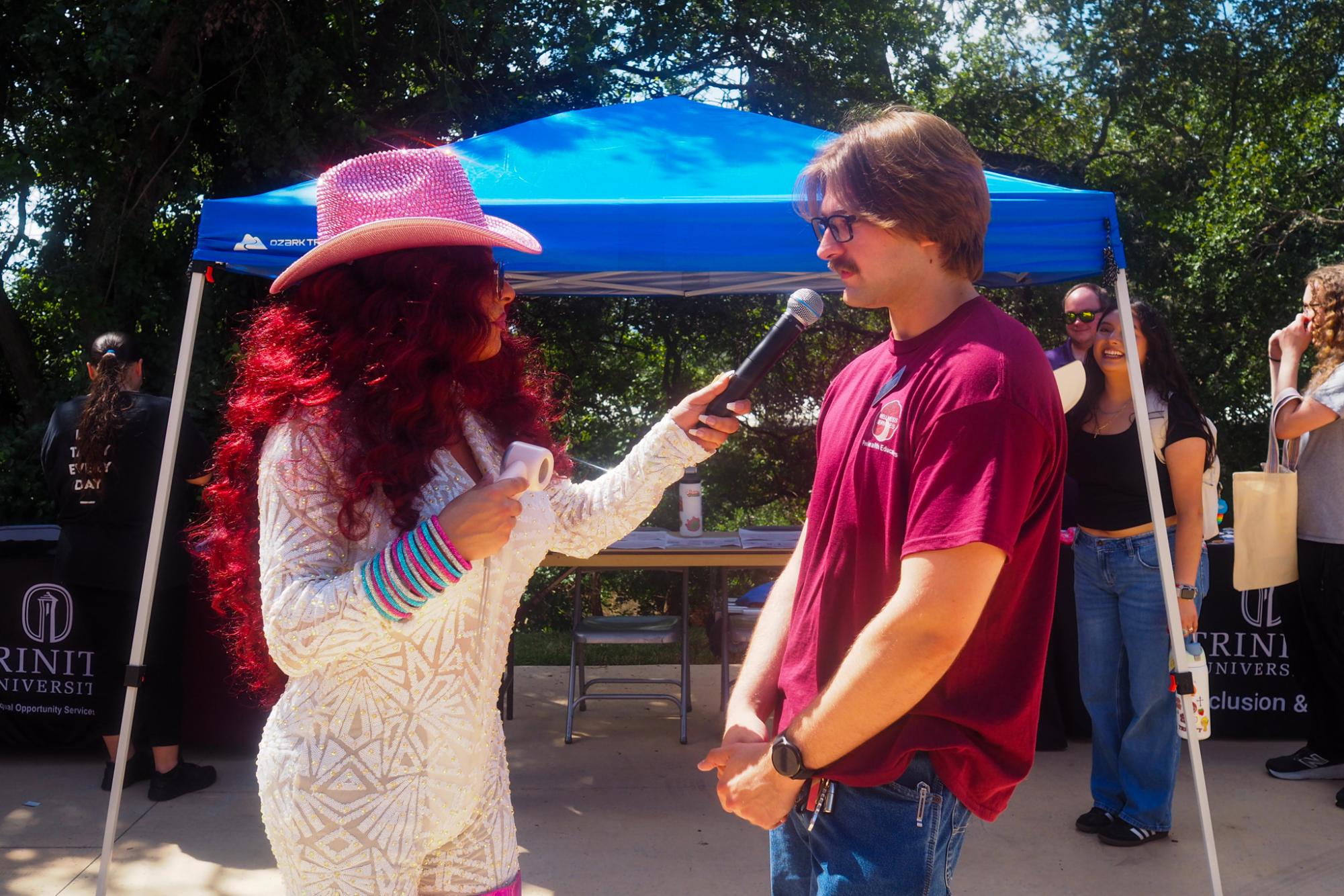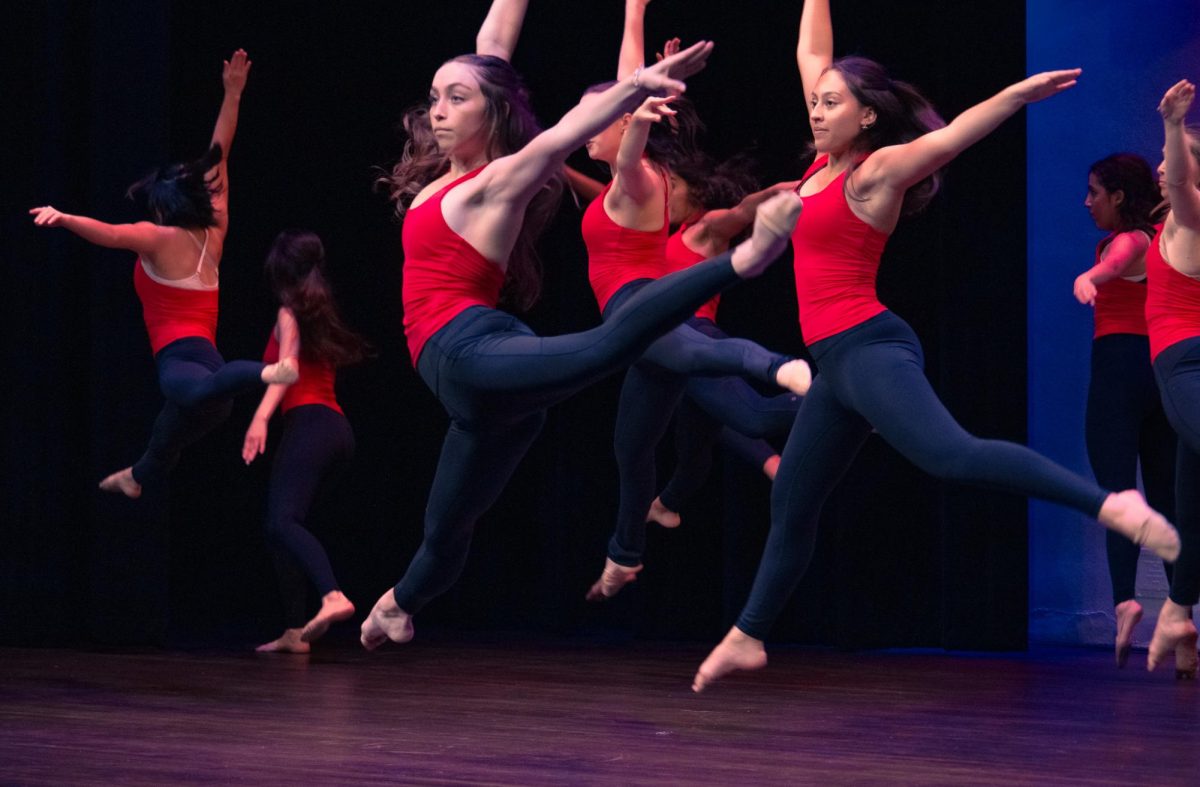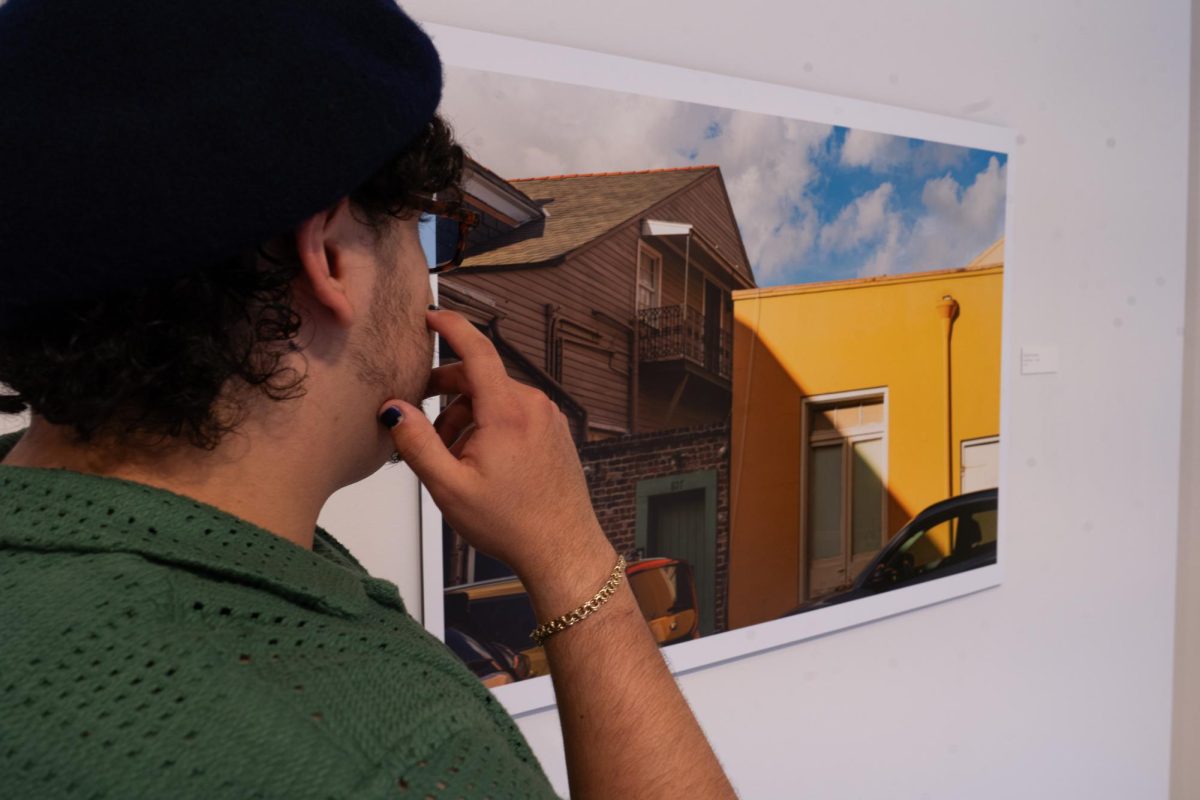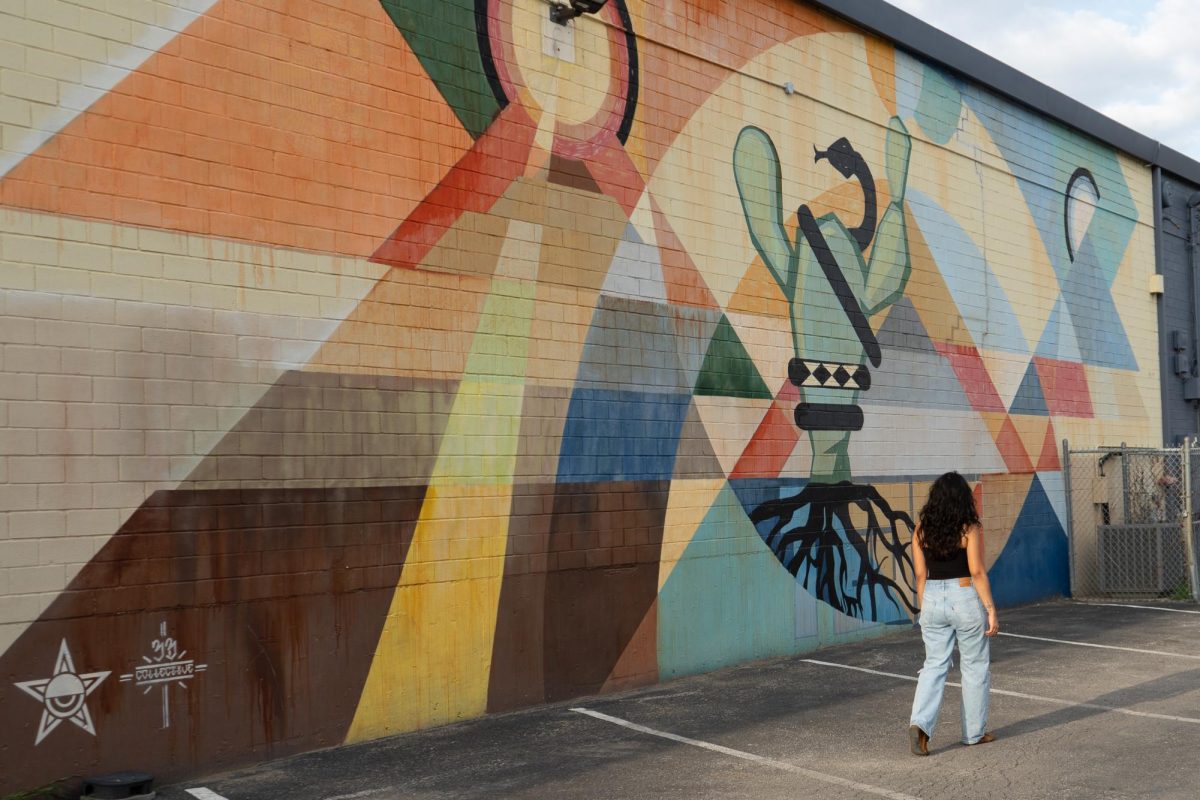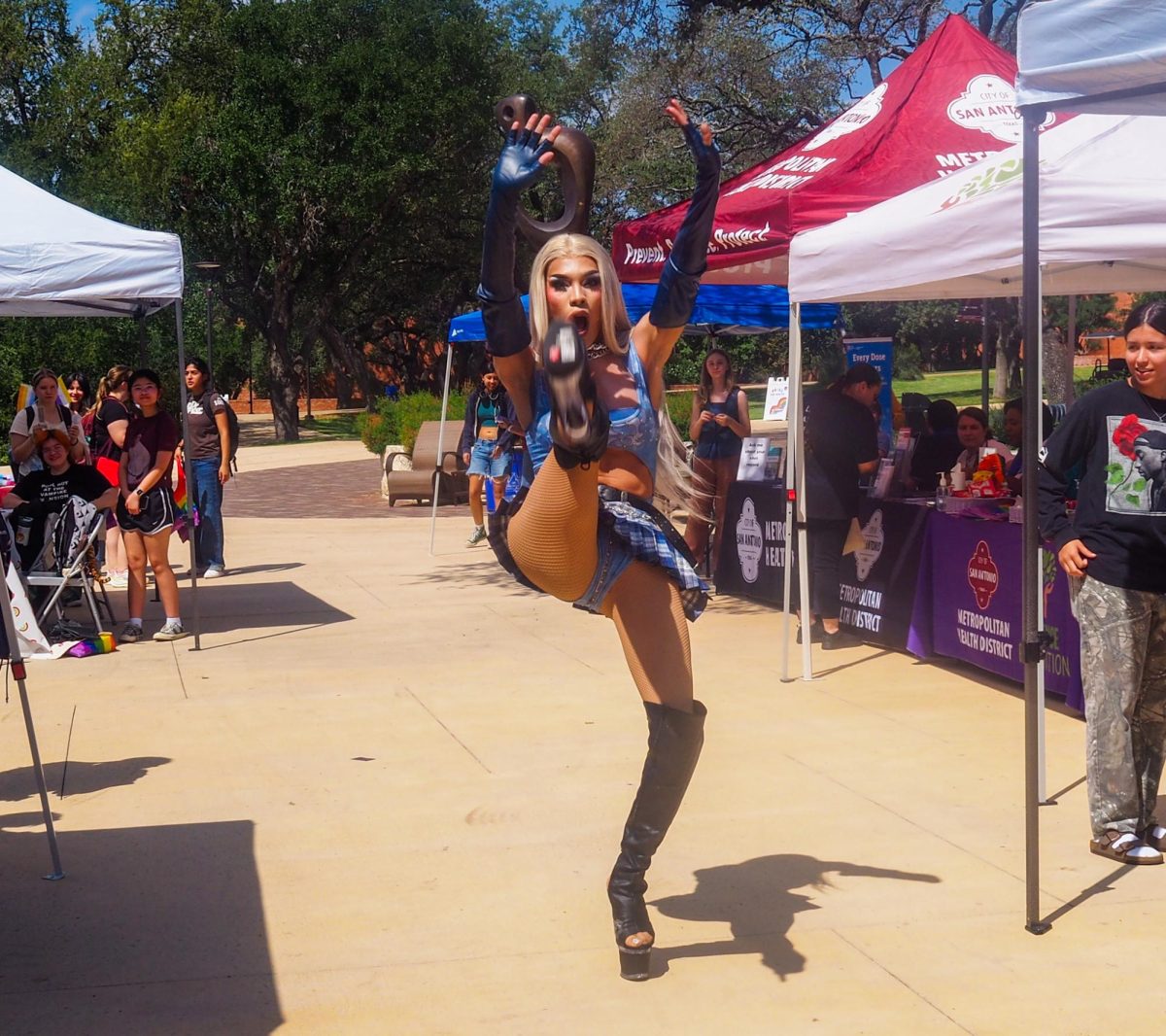
At 11 a.m. on Thursday, Sept. 11, Trinity’s spotlights bounced off sequins and highlighter, as Wellness Services hosted a show performed by local drag personalities such as Lyn-Z Andrews, Miami Andrews and Bambi Jade Andrews. Such events having a place at Trinity speaks volumes on the university’s cultural openness, diversity and role in fostering a space dedicated not only to formal learning but also to the convergence of identities.
To some, drag is merely a humorous show made up of wigs, make-up, dance and impossibly high heels that clack to the sound of pop music. However, drag as an art form has always been more than that. It is satire and parody, but also politics and a form of resistance. It emerges from communities that had long been marginalized and stigmatized, turning this sentiment into a spectacle that invites us to question gender norms and identity through boldness and performance.
Bringing this kind of event to our university not only introduces this art form to those who have never experienced it before, but also compels us to think about the kind of spaces we are building as students and future professionals — especially when we consider how challenging it can be to integrate into academic settings. I spoke briefly with Zoe Nolan, a sophomore religion and history double-major, to understand her experience and gain some insight into what students think about the institution hosting entertaining exhibitions such as these.
“I thought it was a really great experience seeing that on my campus, especially since we’re in Texas,” Nolan said. “I think it’s very special that the LGBTQ community is really supported by Trinity. Especially because not every college has that, and I appreciate that we have spaces where all kinds of people can be and support one another.”
What Zoe says is true; it is very special that Trinity promotes these cultural spaces, as there are many students who may not relate to a sports game or a dance recital, but do relate to a drag show. Recognizing diverse interests also fosters community. Personally, I find it fascinating that this university, a space that has historically been associated with formality, academic rigor and seriousness, would embrace an art form that originated in nightclubs and carries social prejudices to this day. This year’s drag show is not Trinity’s first; similar events in the past have drawn both praise and pushback, reflecting ongoing tensions related to this art form.
One example is a “Drag Brunch” hosted by the Student Programming Board and Trinity University Pride back in April 2023, in front of the Margarite B. Parker Chapel, which caused a lot of commotion among students who disapproved of this performance being held beneath religious imagery. Yet, despite moments of contention, these encounters also allow students to explore and express a queer identity or experiment with aesthetics that they may not be able to in everyday life. “Fool’s Brunch” was first directed in fall 2023 by Jay Burdine, Trinity ‘25 alum, and made a second run in 2024 thanks to its success among students. Because it involved both newcomers and experienced performers, events like “Fool’s Brunch” foster collaboration and a sense of community, enriching campus culture with alternatives to more traditional outlets like sports or concerts.
In the end, it was just a fun and colorful memory for some. But for many others, it was a reminder that Trinity is also a place for freedom, celebration and community. More than a simple show, it was a glimpse into how enriching it can be for our community when we dare to open ourselves up to new experiences.