After the assasination of Charlie Kirk last week, politics are on students’ minds at Trinity. As voter registration and election days approach, two political organizations have been putting on more events like tabling and reaching out to their student bases.
The two political organizations on campus reach out to their student bases, with one serving to a more left-leaning side of politics and the other serving to a more right-leaning side of politics. Both of these organizations emphasize a sense of community around both sides of the political spectrum and the importance of election resources.
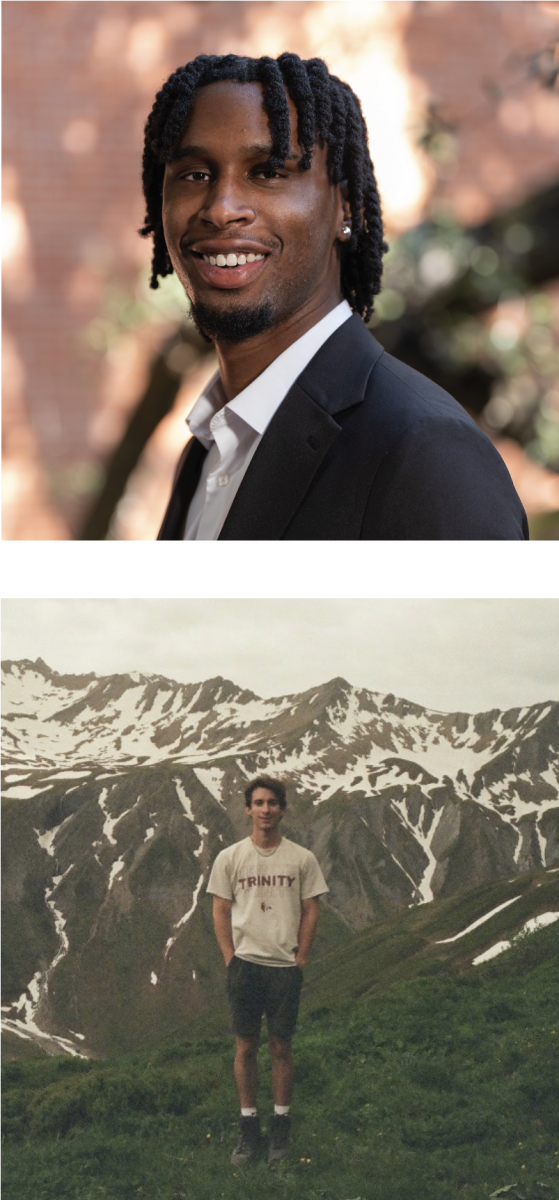
TU Progressives (TUProg) caters to progressive and left-leaning ideologies on campus. Alexandra Oshman, sophomore history and economics double-major and outreach chair for TUProgs, said that the organization is about more than politics.
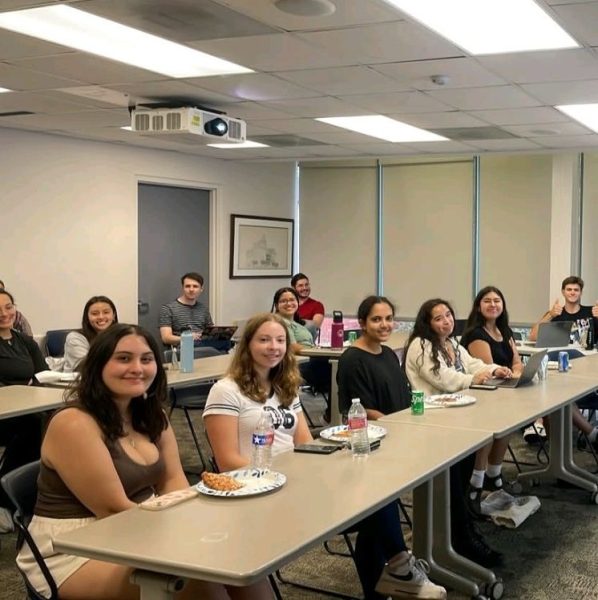
“We have a lot of people come out. We host a lot of resources telling people where they can vote,” she said. Oshman also said TUProg is more of a learning community where people can find and express themselves. One of the events Oshman emphasized was the education of election day and discussed the resources that people have when it comes to voting.
Trinity’s chapter of Young Conservatives of Texas (YCT) caters to conservative beliefs and more right-leaning ideologies. Clayton Lansford, junior engineering science and physics double-major and president of YCT, said the organization gives a place for conservative people to get together as a community. Lansford also mentioned the importance of YCT to Trinity, due to the campus being majority left-leaning, leaving right-leaning students on campus to identify as a minority.
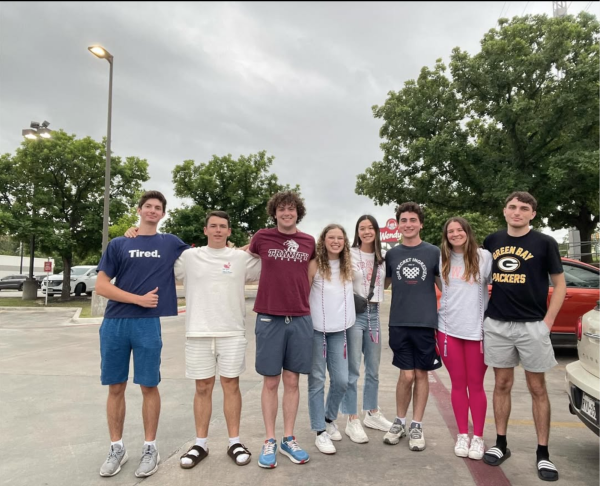
“It brings ideas to campus that may not be here otherwise. It is a social organization that brings people together, allows them to talk about conservative stuff, politics, etc.,” Lansford said.
Both Lansford and Oshman said that students often show up to their meetings, citing that students at Trinity are politically active and able to find a community when it comes to their political affiliations.
Having multiple political organizations allows for diversity of opinions and political spectrums, Lansford said. According to him, the ability for people to express themselves politically on a liberal arts campus creates community and allows people to express themselves regardless of their beliefs.
“It’s really important not to have things just be one-sided, even if something’s wrong. It’s good to be able to at least hear the other side. It’s good to have a diverse political climate on campus,” Lansford said.
A study done by Laura Spitalniak at Higher Ed Dive discusses the ways to mitigate political polarization. The methods described are: “Teaching students dialogue skills, Bridging campus divides, and Having each other’s backs.” The approach she has for addressing polarization is more nonpartisan, based on where people’s opinions are approached as a whole. Spitalniak also mentioned a good example of this by Marjorie Hass, president of the Council of Independent Colleges. Hass leads groups to think more in a nonpartisan and united way. “The group is nonpartisan and doesn’t focus on specific policy issues,” Hass said. Instead, they are able to talk with other leaders and figure out where their line is drawn in the sand on different issues. The differing opinions of the group are a feature, not a bug, she said.” Regardless of one’s political opinions, a sense of unity is pushed across campuses to deal with political polarization, decreasing the divide that continues to grow.
Across the board, Lansford and Oshman say they both feel like they are well represented, expressing the many political organizations that the school has to offer. Despite the current divide, there are political communities on Trinity’s campus that students can be a part of. As we reach National Registration Day, both of these organizations are planning and organizing future events to assist with the anxiety surrounding Election Day.