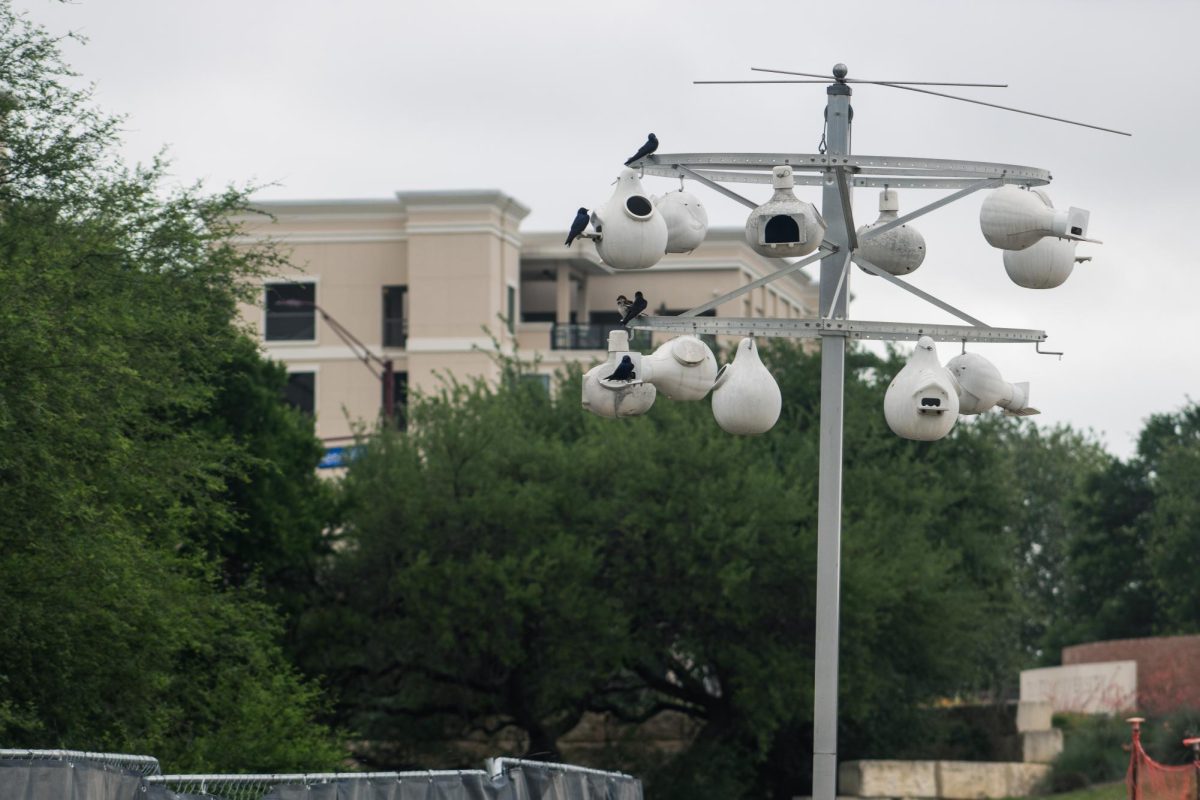
From food waste to landscaping to academics, campus sustainability at Trinity is a complex and multifaceted affair. Bringing together these various initiatives is no simple task, but the Campus Sustainability Committee is creating a space for these interdisciplinary conversations.
Recently, the committee organized various Earth Week events, including a fair, several lectures and climate-themed games. However, much of their work is done behind the scenes to plan long-term sustainability at Trinity.
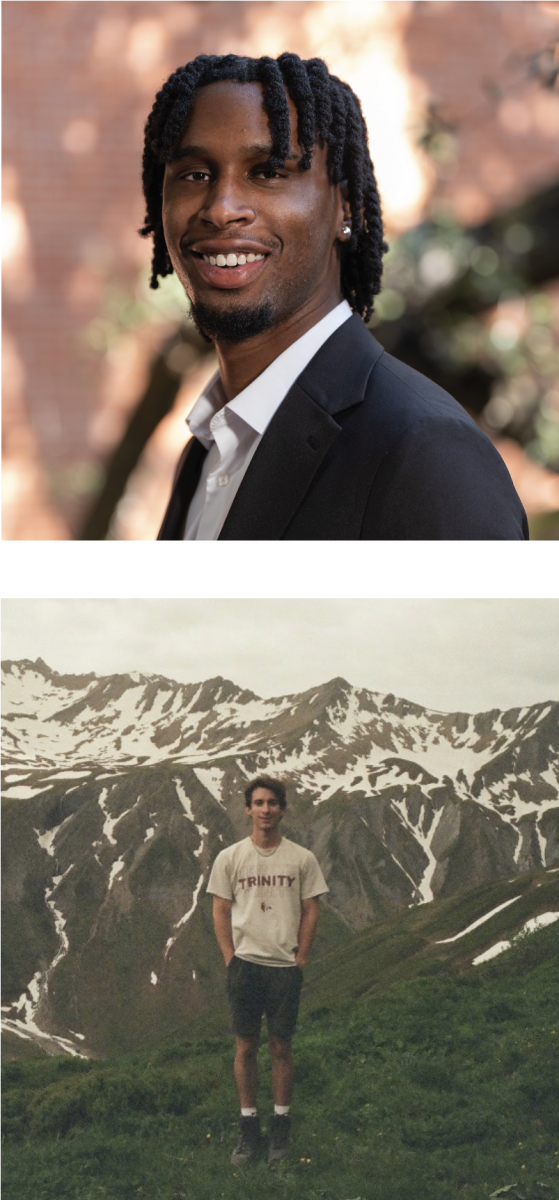
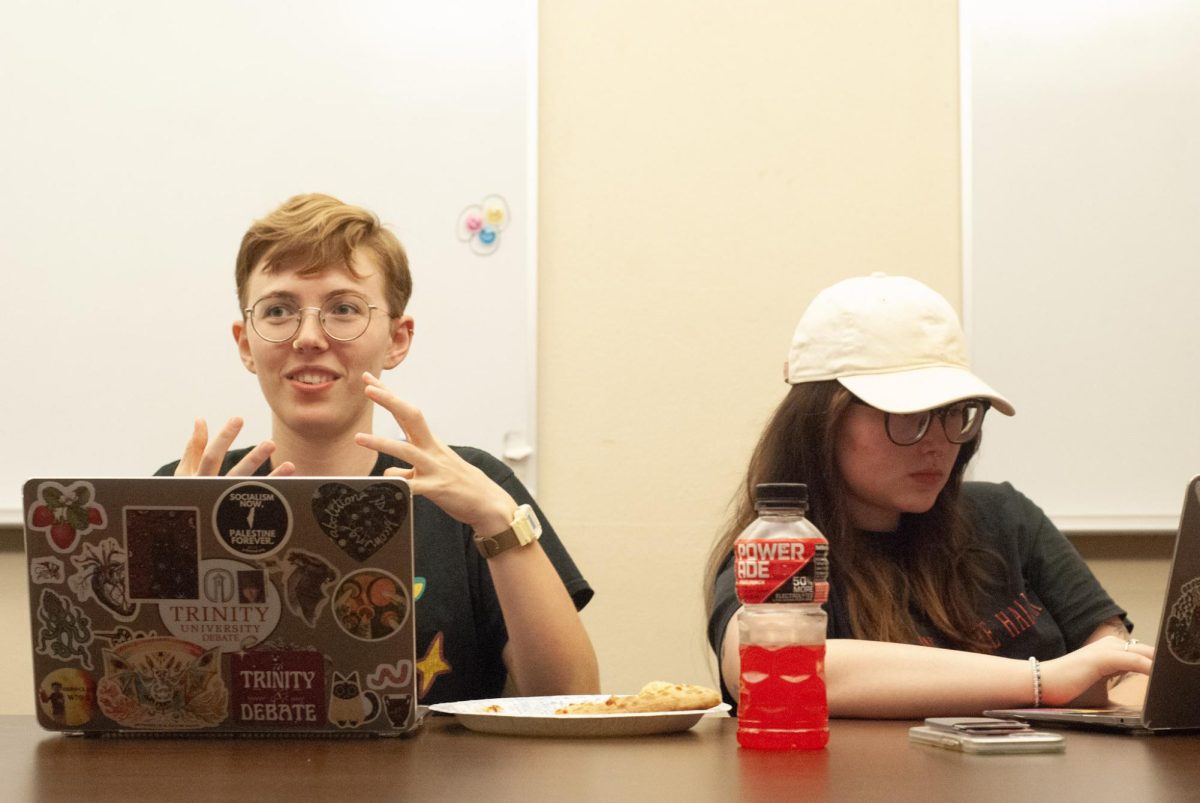
Avery Lea Parks, sophomore international business and economics double-major, is a student representative on the committee. She said the committee’s goal is to combine the efforts of many groups into one cohesive mission.
This concept begins at the very composition of the group. Parks said members of the committee include student representatives, faculty from departments such as business and chemistry, residential life coordinators, Chartwells representatives and other administrators.
Together, the team brainstorms methods to inspire community involvement for sustainability. Parks said the Earth Week events were hosted to highlight the importance of environmental stewardship while having a good time.
“First off, I hope it’s super fun,” Parks said. “And then I hope that it opens people’s eyes to the sustainable practices that already exist on campus and impassions people to partake in those, contribute to them and join organizations that help foster sustainable practices.”
Beyond the public events, however, the committee tackles deeper issues, such as energy consumption, waste management and wildlife protection. They listen to ideas, draft solutions and advocate for funding.
Sydney Barner, sophomore anthropology and psychology double-major, is a student representative and SGA senator. From these positions, she has heard many students’ concerns about ambiguity and a lack of transparency surrounding sustainability, she said.
Even Barner herself said she faced these concerns, such as a lack of clear information and communication, while creating a plan to compost Mabee’s waste. She said she does not attribute this to a lack of interest but rather a lack of critical conversations.
This is where the committee steps in. Both Parks and Barner said they want to see infrastructural changes, including composting bins, recycling management and full-time sustainability staff.
Although she recognized logistical and financial constraints, Barner emphasized that the first step is simply imagining a different future. She urged those with decision-making capacity to be open to conversations with the committee.
“We have to be open to conversations and open to changing how we think about how Trinity functions so that it is more sustainable,” Barner said. “They’re not just band-aid solutions, but they’re bigger, functional, foundational solutions to like how Trinity operates.”
Still, Barner said sustainability does not stop at the Trinity bubble. She highlighted that beyond Earth Day, individuals must consider how their daily practices fit into a broader environmental movement.